Squatting on unstable platforms and balance pads is trendy in gyms right now — supposedly delivering strength, balance, and fall prevention all in one exercise. A new systematic review and meta-analysis of randomized trials compared unstable-surface training with classic strength training — and the findings matter well beyond the senior crowd.
What the study actually looked at
Researchers analyzed randomized controlled trials comparing two approaches to leg strength training in older adults: training on unstable surfaces (bosu balls, stability balls, balance discs, wobble platforms) versus classic training on stable surfaces — regular squats, weighted work on solid ground, machines. They measured leg muscle strength, mobility, and fear of falling — essentially how confident people feel moving around in daily life.
Why this matters for a younger audience too: the logic of “unstable surface = strength and balance training in one” migrated from rehab settings into mainstream gyms long ago. Women in particular are often sold bosu and pad workouts as an all-in-one fix — strengthen your legs, tone your body, and improve coordination in a single session.
Debunking the ‘two-in-one’ approach
Here’s the core issue: strength and balance are separate qualities that get trained through different mechanisms. When you stand on an unstable surface, your body automatically reduces the load on your muscles because part of your effort goes toward maintaining balance. The result is a weaker strength stimulus than you’d get working on solid ground with the same weight or same number of reps.
This doesn’t mean balance training is useless — it genuinely does improve stability and coordination. But if your actual goal is building leg strength — which is usually what matters most for metabolism, posture, and protecting your knees and lower back — the heavy lifting needs to happen on a stable surface: the floor, a platform, a bar, a machine.
How to apply this in the gym
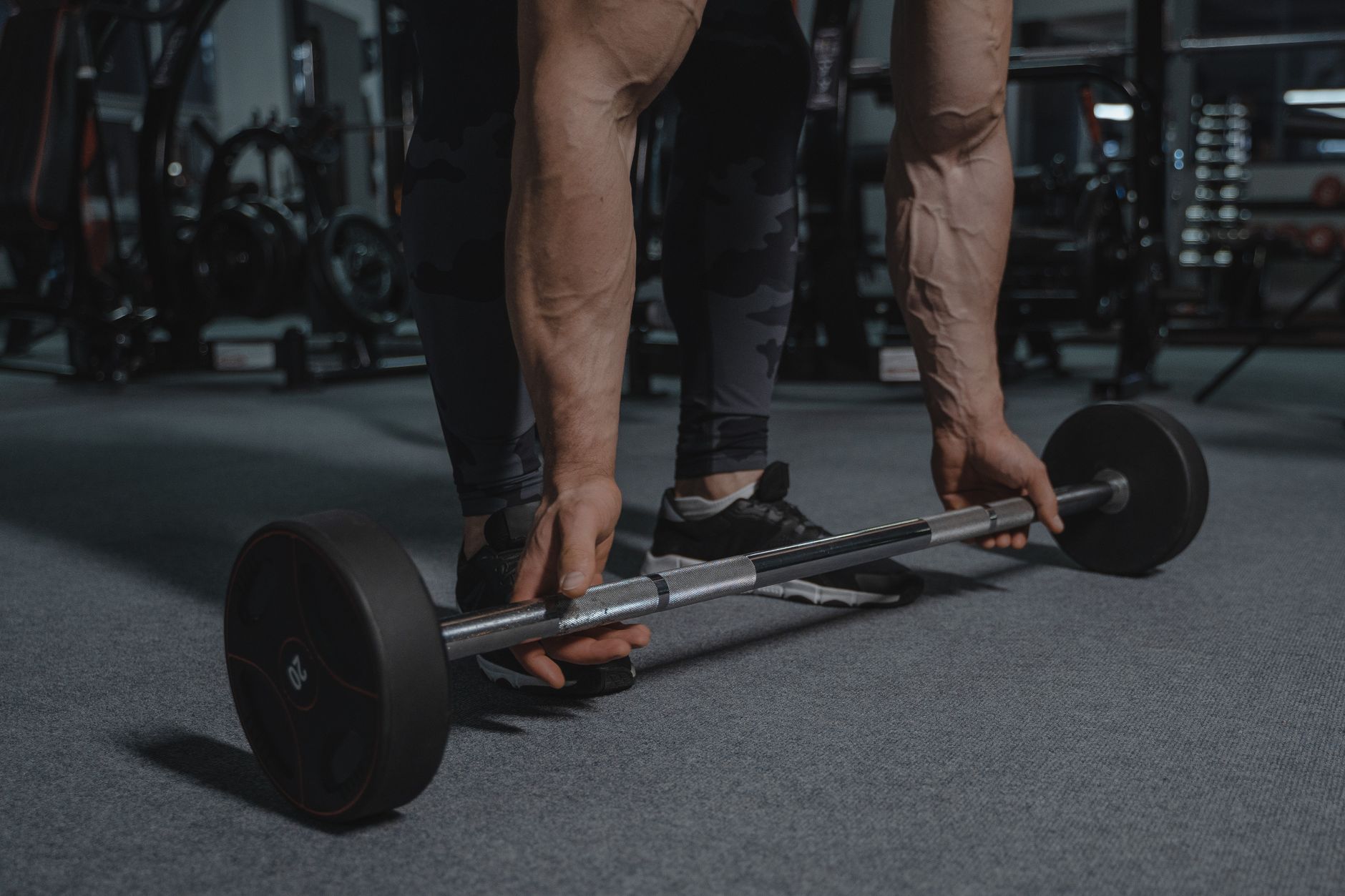
Don’t build your program around balance equipment if real leg strength gains are your goal. Squats, lunges, leg presses, deadlifts — all of these should be done on a solid, predictable surface where you can actually control the weight and your form.
Unstable elements can be added separately and sparingly — as a supplement, not a substitute. For example, short balance-pad blocks at the end of a workout or during warm-up, when your muscles aren’t already working at their limit and you’re not risking your form for the sake of a trendy move.
If your goal includes more than just strength — body confidence, coordination, future fall prevention (relevant at any age, especially after an injury or a long training break) — combine both formats, but don’t let one replace the other.
What this means for you
If you see a “balance and strength” class on the gym schedule using an unstable platform, treat it as coordination work, not a substitute for your strength day. These are different goals, and both deserve a place in your program — but they’re not interchangeable.
For building actual leg strength, the old, proven formula still works: basic exercises with free weights or machines, a stable surface, and progressive overload. That remains the foundation, regardless of age or whatever trend is currently popular in the fitness industry.
Key takeaways
- Training on unstable surfaces (bosu balls, platforms, pads) reduces the strength load on leg muscles compared to stable surfaces
- Strength and balance are different qualities that require different training methods, not one universal exercise
- For building leg strength, prioritize classic exercises on solid ground
- Balance elements can be added separately, but shouldn’t replace strength work
- The ‘two-in-one’ idea in fitness marketing usually performs worse than training each quality separately
Source: PubMed / Am J Phys Med Rehabil