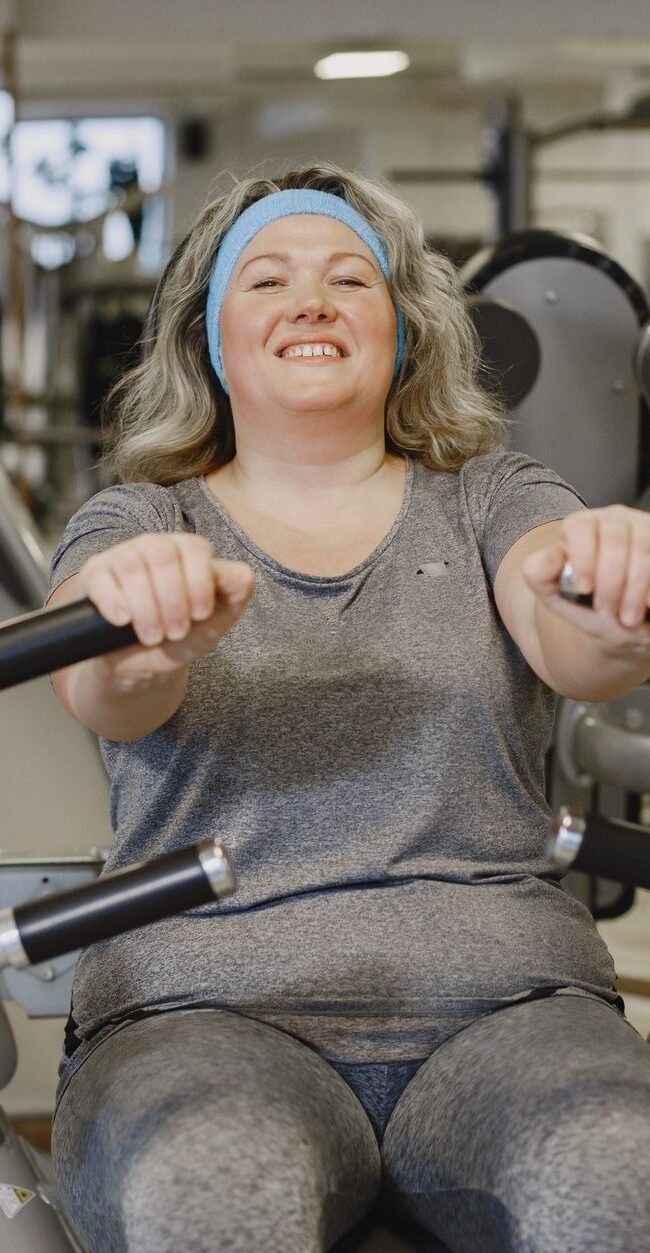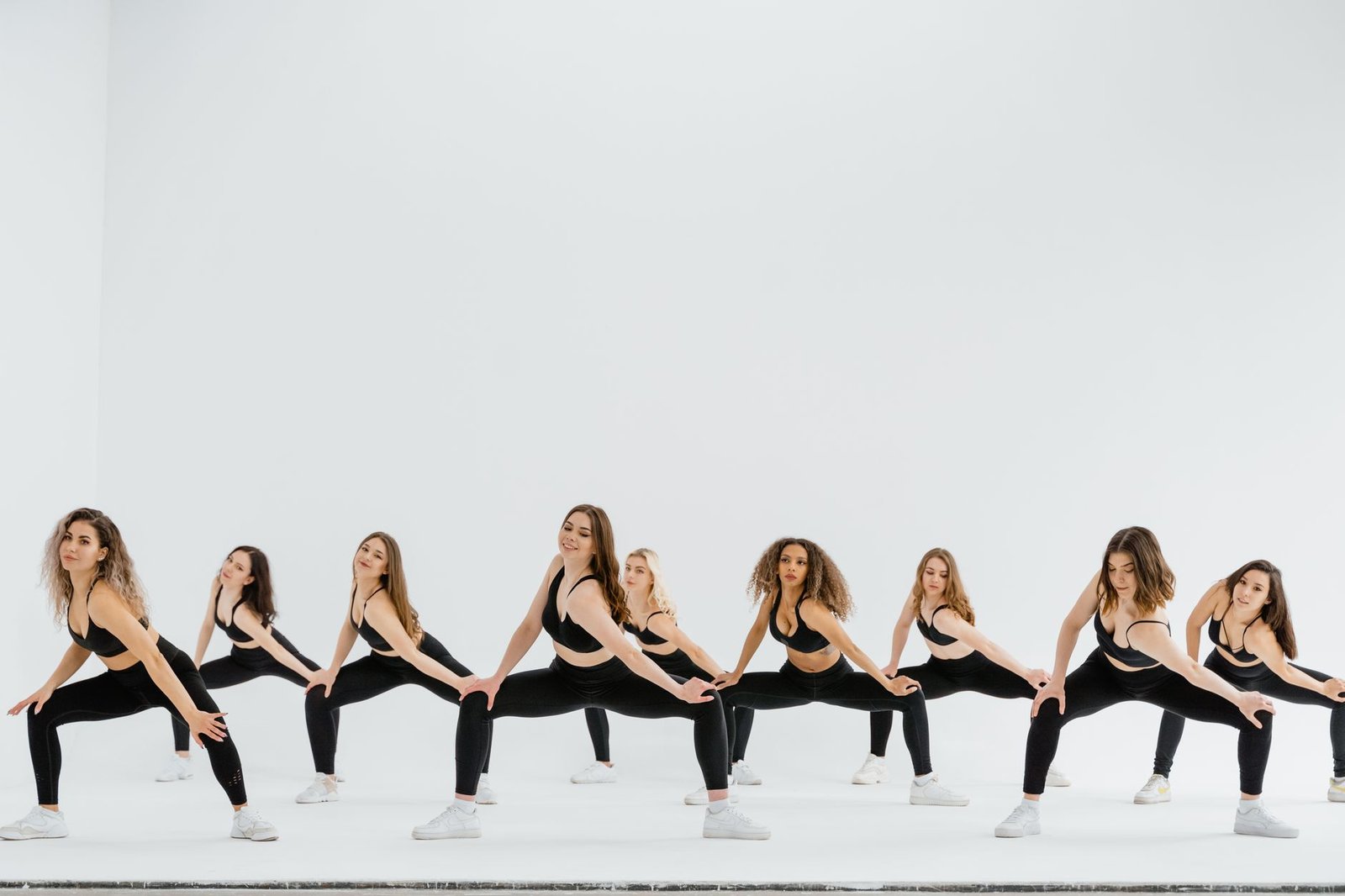
Scientists in Thailand tested a group dance training program for older adults complaining about memory issues. Let’s break down why this approach matters not just for grandparents, but for any woman who wants her workouts to benefit both her body and her brain.
What the Study Was Actually About
A team of researchers developed a culturally adapted, moderate-intensity dance program for older adults who noticed lapses in their own memory and concentration — a condition known as subjective cognitive decline. The idea is simple: people with this condition tend to move less, and low physical activity further increases the risk of cognitive problems. It’s a vicious cycle.
The study was a pilot, quasi-experimental one — meaning the researchers were testing whether such a program could even be implemented, and preliminarily assessing its effect on participants’ daily activity, episodes of forgetfulness, and cognitive function. This isn’t a final verdict with precise percentages, but a first step toward larger studies.
Why the Group Format Matters So Much
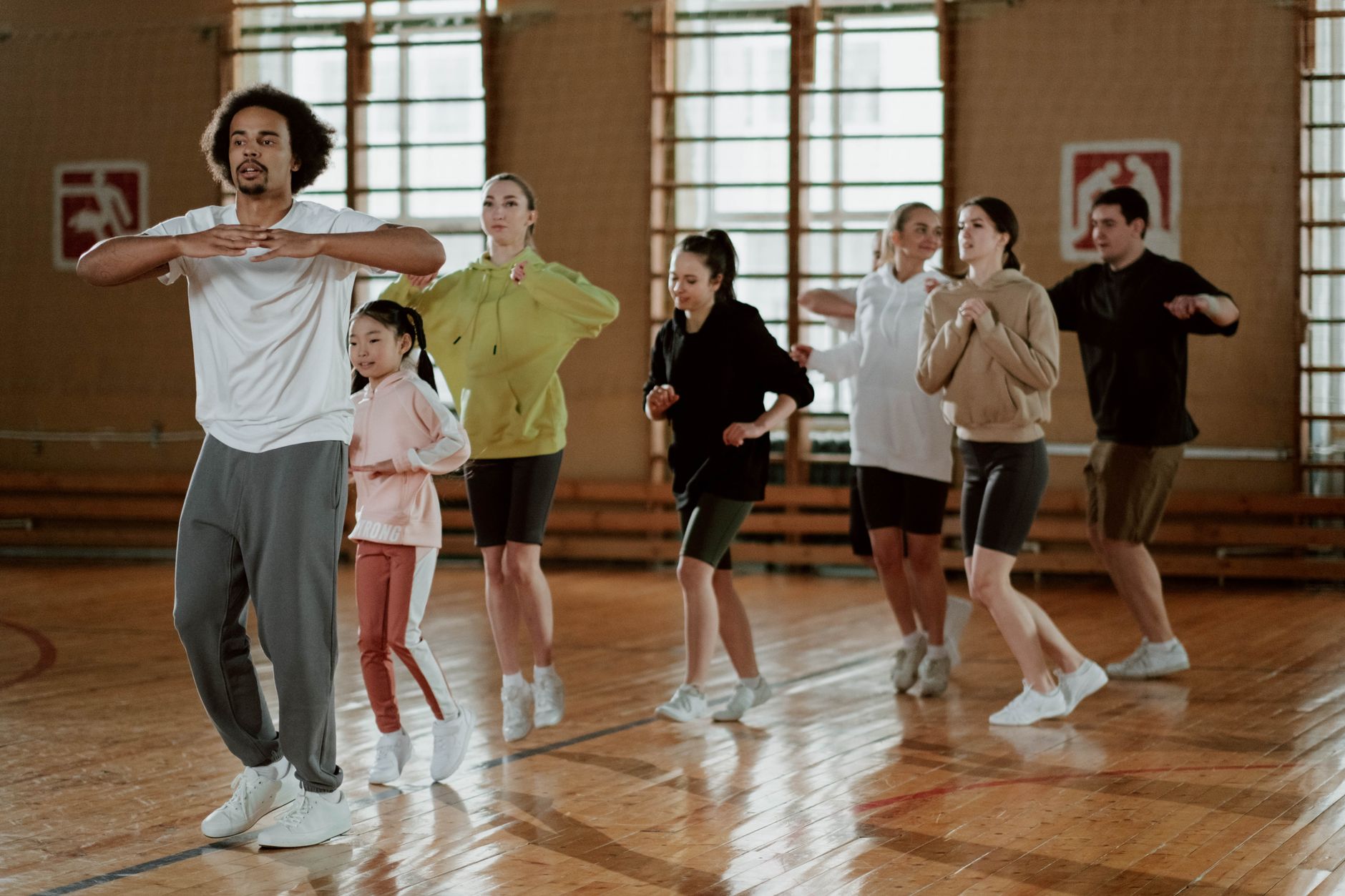
It’s not just about movement itself. Group classes with dance elements simultaneously work the body, require memorizing sequences of moves, and involve social interaction. That’s three different types of brain stimulation packed into one workout — coordination, memory, and emotional engagement through company.
A solo strength session with dumbbells doesn’t produce this kind of complex effect. It’s great for muscles and metabolism, but it doesn’t force your brain to constantly rearrange movement patterns and adapt to rhythm and a group.
What Does This Have to Do With Women Aged 25-45 If the Study Is About Seniors?
The habit of protecting your brain through movement isn’t built at 65 — it starts much earlier. If your only activity right now is the treadmill with headphones on or a strength program with zero variety, you’re missing out on part of the benefit physical activity offers specifically for cognitive health.
This isn’t about ditching strength training for Zumba. It’s about balance: add at least one activity a week that involves coordination, rhythm, and group interaction — a dance class, group cardio with choreography, anything where you have to think with your body instead of just repeating a movement.
What to Take Into Your Own Gym Routine
Cultural adaptation was a key element of the study. The program was tailored to participants’ familiar context rather than forcing a foreign format onto them. The takeaway for you: look for a training format that genuinely resonates with you culturally and emotionally, not one dictated by trends. It’s engagement and enjoyment of the process that make an activity a lasting habit — and consistency is the only thing that truly works in the long run.
If group dance classes feel awkward or boring to you, look for an alternative with a similar structure: group cardio programs with choreography, partner workouts, anything with a social component and a need to remember a sequence of movements.
Key takeaways
- Physical activity affects not just the body but cognitive function too — this is confirmed both by this study and by the general “use it or lose it” logic
- Group workouts with elements of coordination and rhythm give the brain a more complex workout than isolated solo strength training
- Habits that protect the brain in old age are worth building early, not putting off for later
- Your workout format should feel emotionally right for you — that’s the only thing that guarantees consistency
- Pilot studies are a first step, not a final conclusion; keep an eye out for more research, but you can experiment with different formats right now
Source: PubMed / J Aging Phys Act