Iron Deficiency in Active Women: Why Your Blood Test Might Be Lying to You
Plenty of female athletes take iron supplements “just in case” for years — or, on the flip side, brush off their fatigue while relying on a single blood test. New research is a reminder that results can depend on which day of your cycle you got tested.
Why iron deficiency keeps coming up for active women
Iron isn’t just a number on a lab report — it’s a key player in oxygen transport and endurance. Women who train regularly need more of it, and they also lose more of it, thanks to menstruation, sweat, and the micro-damage that comes with running. That’s why iron deficiency keeps popping up in conversations about supplements for active women.
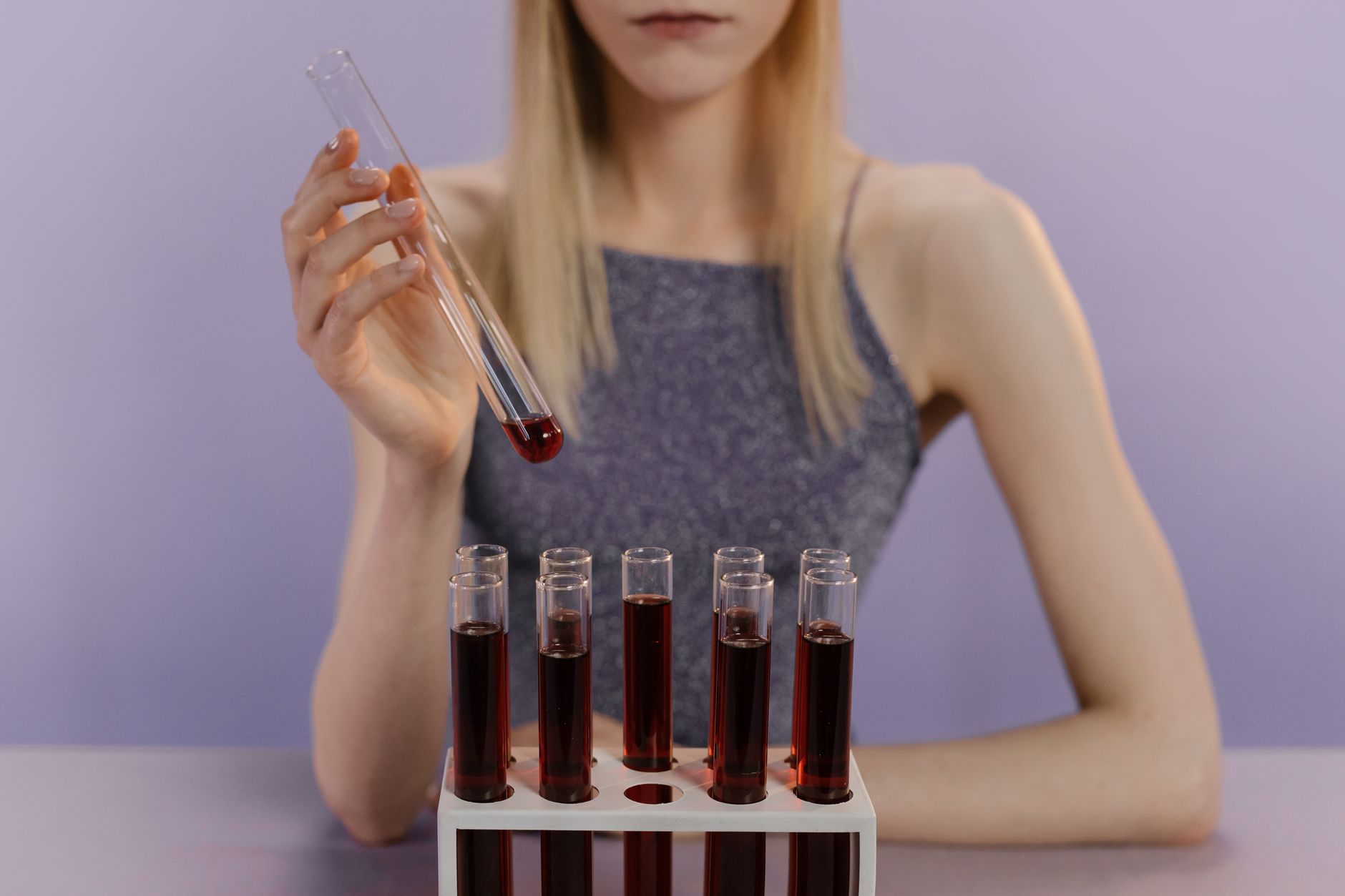
The problem is that diagnosing this deficiency usually comes down to a single blood draw on a random day. Researchers studying women’s sports health raised an important question: is it even accurate to assess iron levels without accounting for where you are in your menstrual cycle?
Hormones change the picture
The logic is straightforward: estrogen and progesterone levels shift throughout the cycle, and that can affect blood plasma volume, inflammatory markers, and, in turn, the very indicators used to assess iron stores — including ferritin. If testing happens at different cycle phases for different women, the results aren’t always comparable to each other, or to reference ranges that were originally built without factoring in this variable at all.
The practical takeaway: iron deficiency screening probably needs to be standardized by cycle phase to avoid false positives and false negatives.
What this means if you’re taking iron supplements
If you’re already taking iron “just to be safe,” or because one test showed low ferritin at some point, it’s worth rethinking that approach. A one-off result that ignores cycle timing doesn’t give you the full picture. Taking iron when there’s no actual deficiency doesn’t help — and it can put unnecessary strain on your body.
The smarter strategy isn’t self-diagnosing based on fatigue symptoms, but getting repeat measurements at set intervals, ideally noting the cycle day each time, and discussing the results with a doctor or sports dietitian. Iron supplements aren’t an “energy vitamin” — they’re a tool for correcting a specific, confirmed deficiency, not something to take on a hunch.
What to actually do about it
If you train regularly and suspect low iron — fatigue, dropping performance, paleness — don’t rush to the pharmacy. Get tested first, and ideally more than once, at different points in your cycle, so you’re looking at a trend rather than a single snapshot.
Iron supplements only make sense with a confirmed deficiency and under a specialist’s guidance, because too much iron isn’t harmless either. The same logic applies to sports nutrition in general: any supplement should work as a tool to fix a specific problem, not as some universal “booster.”
Key takeaways
- Iron deficiency is a real issue for active women, but one blood test isn’t enough to diagnose it accurately
- Hormonal shifts across the menstrual cycle can skew blood markers, including ferritin
- Taking iron “just in case” without a confirmed deficiency has no proven benefit
- For an accurate read, aim for repeat testing that accounts for cycle phase
- Any iron supplement should correct a specific deficiency — it’s not a universal energy booster