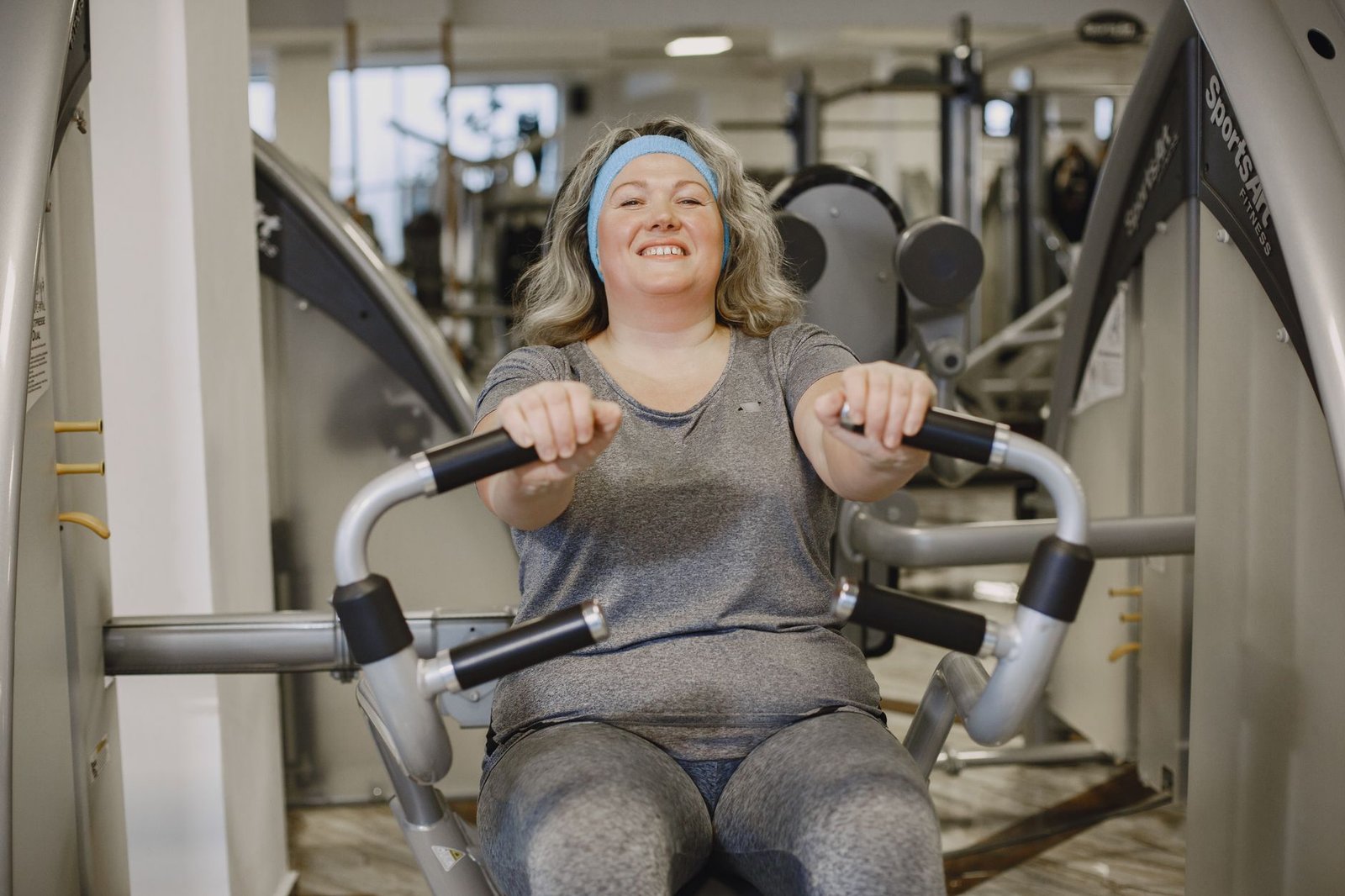
Menopause and Cholesterol: Why Strength Training Isn’t Optional—It’s Necessary
Researchers at the Mayo Clinic broke down what happens to a woman’s lipid profile during the menopause transition and why it directly affects heart disease risk. Spoiler: diet alone won’t fix it—you need muscle work.
What’s Changing Inside While You Feel Nothing
As estrogen levels drop, a woman’s body changes how it handles fats in the blood. This happens gradually, but the direction is predictable: the lipid profile worsens, and along with it, the strain on the cardiovascular system increases. The review’s authors emphasize that this isn’t a malfunction but a natural physiological shift tied to hormonal changes—and it calls for preventive action during this specific window, not after the fact.
The problem is that most women find out about their cholesterol by accident, during a routine checkup, and treat the numbers as something disconnected from their workouts. That’s a mistake: physical activity is one of the few levers you can control yourself, without waiting for a miracle pill.

Why the Gym, Not Just the Treadmill
For decades, the fitness industry sold a myth: want to lower your cholesterol? Run more. Cardio does work, but regular strength training delivers something running alone can’t: it preserves and builds muscle mass, which already declines faster with age—and muscle is metabolically active tissue that shapes how the body handles fat and glucose.
The practical takeaway for a training program for women in the menopause transition: combining strength exercises with basic compound movements (squats, deadlifts, presses) and moderate cardio addresses cardiovascular risk prevention comprehensively, not one-dimensionally. One type of exercise doesn’t replace the other—they solve different problems.
Consistency Beats a Weekly Heroic Effort
Here’s another myth worth busting: the idea that one grueling workout a week can make up for being sedentary the rest of the time. The mechanisms described in the review are about gradual, cumulative changes in the body driven by hormonal shifts. There’s only one real answer to that—equally gradual, but consistent, activity.
If you’re building a program from scratch, it makes more sense to do 2-3 strength sessions a week plus regular walking or light cardio than one exhausting gym trip every seven days. The body responds to a system, not to a single burst of heroics.
Don’t Wait for Symptoms to Start Moving
The key finding of the research is that changes in lipid profile begin during the transitional stage, long before an official menopause diagnosis. That means waiting for “obvious signs” before rethinking your training routine is a strategy that’s already too late. Prevention through movement works far better as a built-in habit than as an emergency reaction to bad lab results.
Key takeaways
- Hormonal changes during menopause predictably alter the lipid profile—it’s a physiological process, not a malfunction
- Strength training doesn’t replace cardio, and vice versa—preventing cardiovascular risk requires both types of exercise
- Consistency in training matters more than one intense session a week
- Start building a training routine during the transitional stage, rather than waiting for your numbers to worsen
- Muscle mass is a resource worth preserving and building in advance, not restoring later
Source: PubMed / Maturitas