Muscles and Memory Age Together: What Protein on Your Plate Has to Do With It
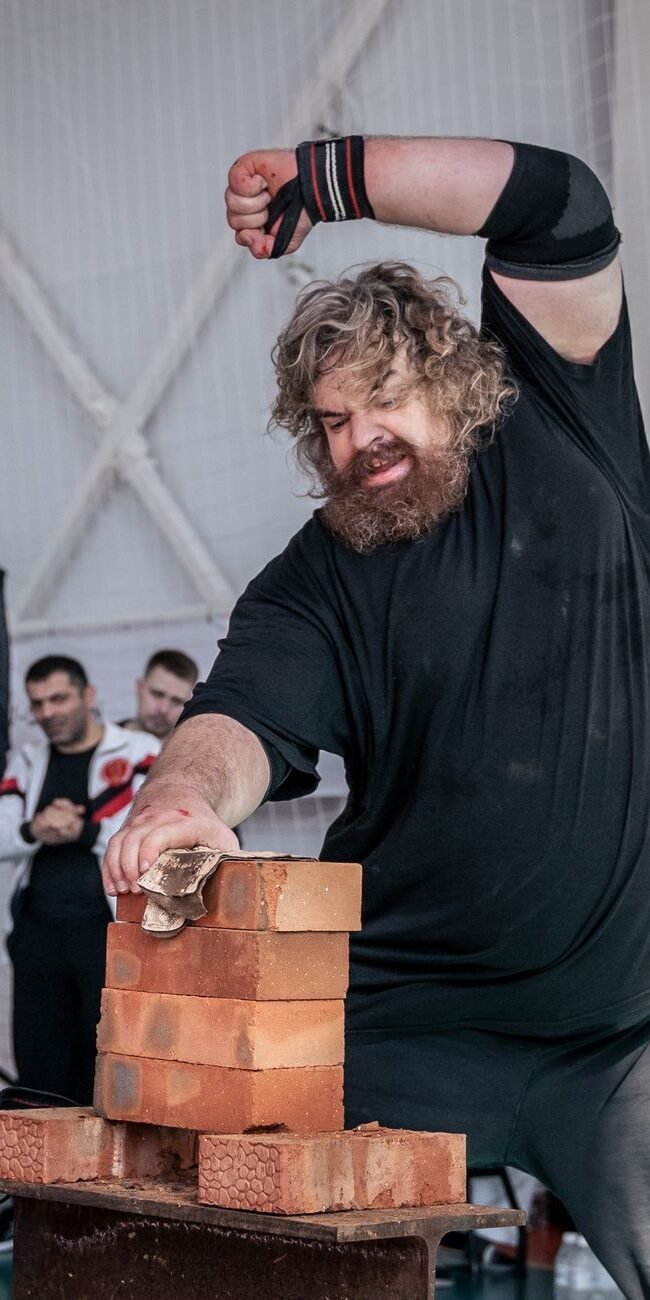
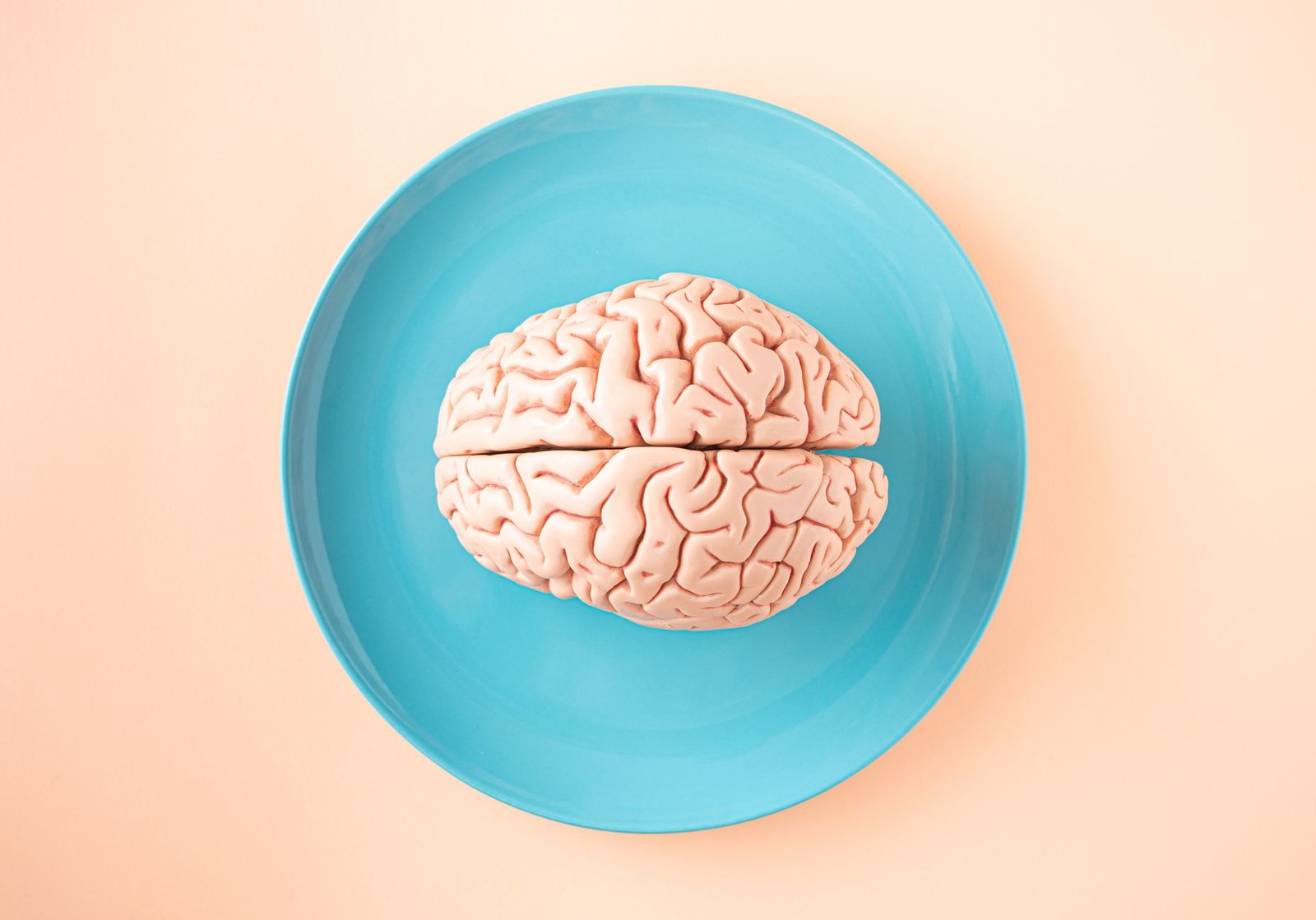
Scientists are increasingly linking sarcopenia — the quiet, age-related loss of muscle mass — with declining memory and cognition. Let’s break down why the same things that matter for your muscles matter for your brain, and why your plate matters today, not when you turn 60.
Sarcopenia Isn’t Just “Getting Flabby” — It’s a Systemic Problem
Sarcopenia is the age-related loss of muscle mass and strength that creeps up unnoticed over years. The result: weakness, reduced mobility, lower quality of life, and loss of independence. It sounds like a problem for grandparents, but the process starts long before retirement — muscle mass doesn’t vanish overnight, it slowly fades away if it isn’t actively maintained.
Alongside this, another worrying trend is on the rise — cognitive decline in older adults. This puts a serious strain not just on healthcare systems, but emotionally on families watching a loved one lose mental clarity.
Muscles and the Brain Aren’t Separate Stories
A review in Nutrients brings these two seemingly unrelated conditions — sarcopenia and cognitive decline — together into a single picture. The logic is simple: both muscles and the brain draw on the body’s shared resources, and nutrition — protein intake in particular — turns out to be a factor linked to both processes.
An important point the authors stress: there’s currently no clear-cut cure for either sarcopenia or age-related cognitive decline. That doesn’t mean nothing can be done — it means pharmacology won’t solve the problem for you. What works is what you do with your hands, your fork, and at the gym.
Why “Waiting Until Old Age” Isn’t a Strategy
Muscle mass isn’t a reserve that appears out of nowhere at 65. It’s built and maintained through years of regular exercise and proper nutrition. If you’re chronically short on protein in your 30s and 40s and skip strength training altogether, then by the time sarcopenia and cognitive decline risks start climbing, your body simply won’t have that buffer of resilience to draw on.
This is especially relevant for women: hormonal shifts during perimenopause and menopause accelerate muscle loss on their own, so a foundation built in advance acts like insurance.
What You Can Actually Control
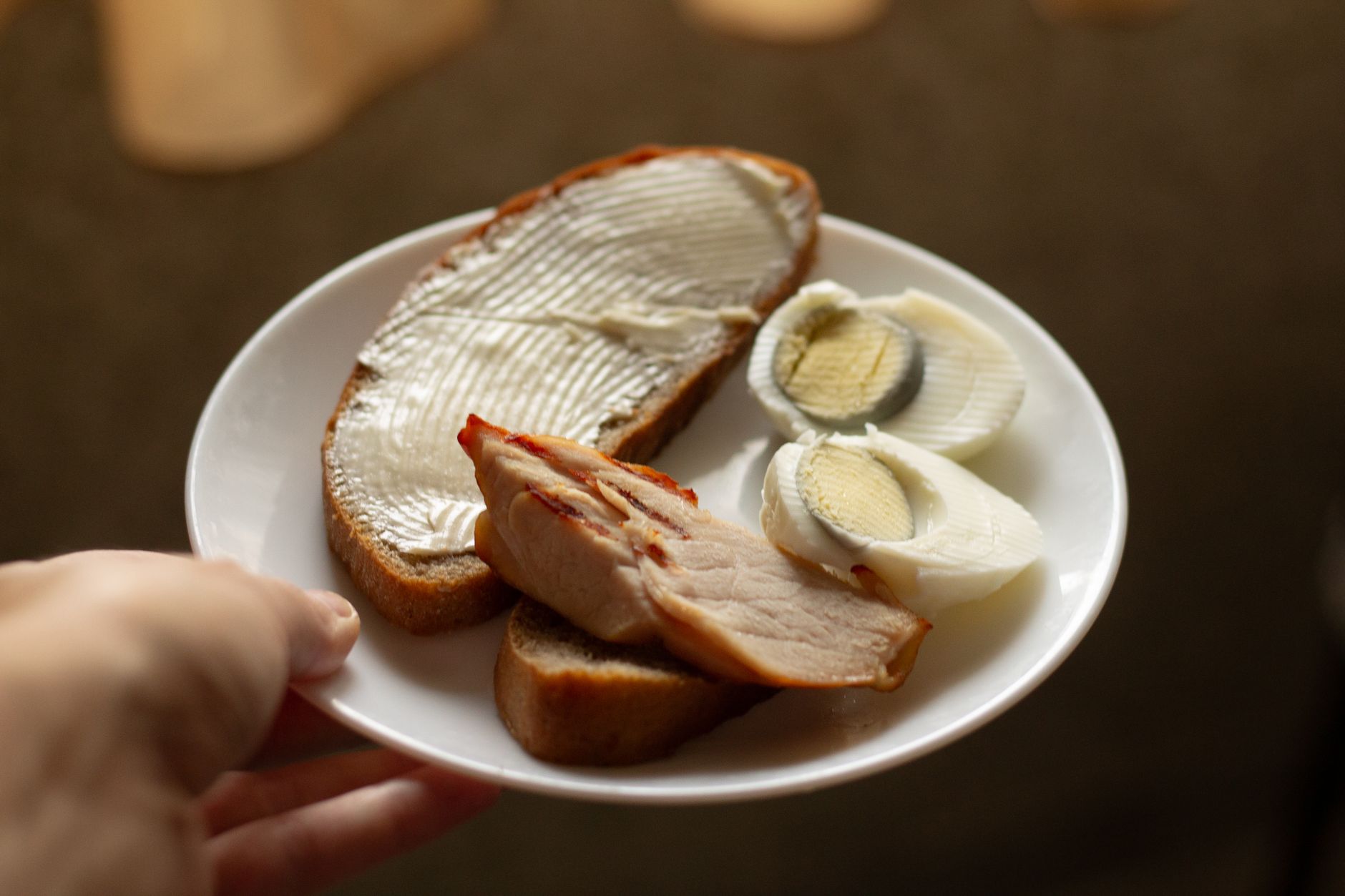
Since there’s no miracle pill, it comes down to the usual, unglamorous, but effective basics. Protein at every meal — not a single protein shake once a week, but a consistent presence of complete protein sources in your diet: meat, fish, eggs, dairy, legumes. Strength training — not cardio as a substitute, but actual resistance work that directly signals your muscles to grow and stick around.
Supplements like protein powder can be a convenient way to close the gap if you’re consistently falling short through food, but they don’t replace a solid diet and training — they’re just a tool, not a solution. And don’t forget sleep and recovery: it’s during rest that muscles repair themselves and the nervous system sorts through information — a process closely tied to cognitive health.
Key takeaways
- Sarcopenia is the gradual loss of muscle and strength with age, directly hitting mobility and independence
- Scientists see a link between nutrition (protein in particular), muscle condition, and cognitive health in old age
- There’s no ready-made cure for either sarcopenia or age-related cognitive decline — lifestyle is what works
- Consistent protein intake and strength training are things you can act on right now, not in old age
- Supplements like protein powder are a supporting tool, not a replacement for food and training
Source: PubMed / Nutrients